 1 minute
Walkable cities: Riga
Latvia’s capital, Riga, has been a UNESCO World Heritage Site since 1997 and its compact core is ideal for exploring on foot.



On 12 August 2026, a total solar eclipse will sweep across the Arctic and Atlantic oceans, plunging parts of Greenland, Iceland, Portugal and Northern Spain into daytime darkness as the Moon passes in front of the Sun. In the latest issue of Portal North, Martin Guttridge-Hewitt charts the best vantage points
Whilst Eastern Greenland boasts some of the top hot (well, cool) spots to see the solar eclipse, for most of us, these won’t be easily accessible. That said, there are some luxury cruises heading that way if you want to splash out and make your way to Scoresbysund – the planet’s largest fjord – or Ittoqqortoormiit, one of the most isolated Inuit settlements in the world.
Further south, Iceland makes for a simpler choice, with easy access and low-cost flights to Reykjavik, where mild August temperatures of around 13C make it an ideal coolcation.
You’ll find a host of solar eclipse day trips on offer to explore the Snæfellsnes Peninsula and take in this once- in-a-lifetime event. Tours typically include sites like Mount Kirkjufell and the striking Djúpalónnsandur black sand beach. Breiðafjörður Bay, around a three-hour drive from the capital, is set to experience the longest period of total darkness (totality) at two minutes and 18 seconds. If you’re looking to stay locally, the traditional fishing village of Stykkishólmur has plenty accommodation on offer.
Iceland Eclipse will also take place in this area, a five-day festival which begins on 11 August. Critically acclaimed music acts such as Maribou State, Quantic, Imogen Heap and Hjaltalin join artists and filmmakers like Darren Aronofsky, NASA scientists, astronomers, astronauts and meditation guides for a celebration of all things cosmic.
Getting there: Fly to Reykjavik, then drive, private transfer or book a day trip to Breiðafjörður Bay.

Northern Spain will be one of the busiest regions for eclipse chasers, and it’s easy to see why. Known for clear blue skies throughout summer, conditions should be perfect for watching the phenomenon, and a number of popular towns and cities lie beneath the path of totality – as do the Balearic Islands of Majorca, Menorca, Ibiza and Formentera.
Take your pick of the mainland big hitters like A Coruña, Valencia, Zaragoza and Bilbao. If you want to swerve the crowds, head for what should be the much quieter city of Palencia in Castilla y León.
Built on an ancient Roman settlement, what it lacks in coastal romance it more than makes up for in beautiful historic architecture and picturesque views from the top of Carre del Otero. Don’t miss the tiny museum dedicated to legendary sculptor Victorio Macho at the foot of the hill.
Another option for intrepid explorers is to head to Bardenas Reales, where lunar landscapes abound, about a three-hour drive east of Palencia.

A wilderness stretching over 420 sq km of badlands in southeast Navarre, you’re within striking distance of towns like Burgos, Pamplona and San Sebastian but the semi- desert’s giant sandstone formations, raised plateaus, canyons and cabezos (hills) make it feel like you’ve landed on the Moon. Just don’t forget to look up or you’ll miss the main event.
Getting there: Fly to Bilbao or Santander, then take a train or drive to Palencia.
If you miss this year’s eclipse, then rest assured this isn’t your only chance to catch this spectacular occurrence with almost-naked eyes.
Vast swathes of Africa, Europe and the Middle East will also see the sun temporarily blacked out but not for another year. Those looking to get a head start should reserve a room at one of the many hotels, guesthouses and apartments on offer in Oran.
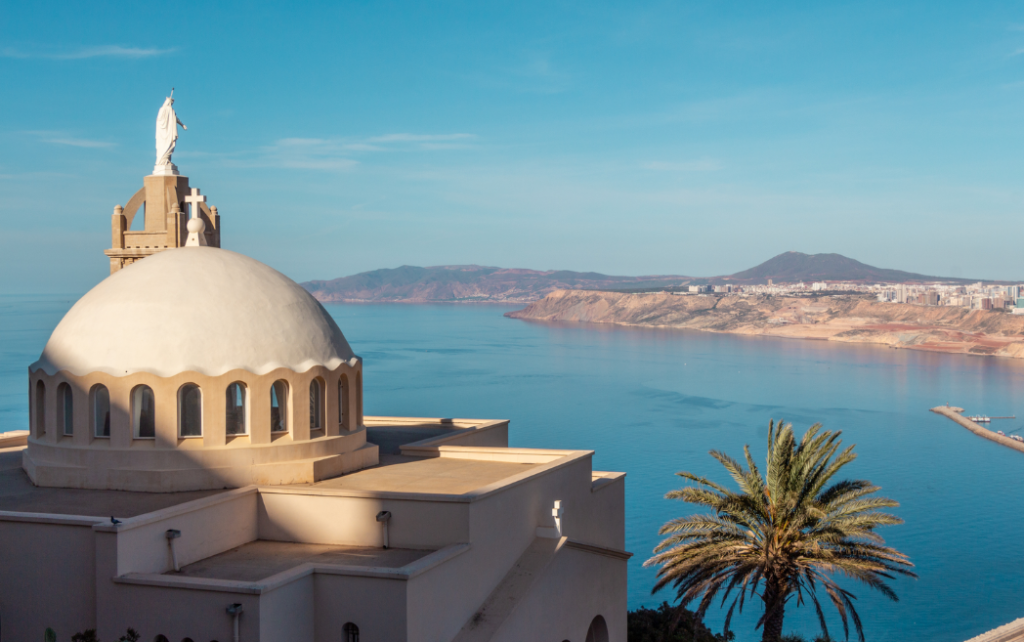
On Monday 2 August 2027, Algeria’s second city will experience totality for more than five minutes – double the length Europeans can hope for this summer.
Hiking out to Cap de l’Aiguille, a peninsula that can only be reached by foot or boat, should be a sure-fire way of guaranteeing a truly unspoilt and uncrowded location to watch the magic happen.
The town itself has been shaped by Berbers, Romans, Ottomans and – most visible today – Spanish and then French colonialists. Renowned for its culinary scene, you can also expect imposing monuments and iconic landmark buildings like the incredible Great Mosque.
Don’t miss Little Paris, where Rai music was first born, a genre marrying authentic Algerian sounds with Western electronica.
Getting there: Fly to Algiers, then drive or take a transfer to Oran in around four hours.
Find accommodation in Oran here.
The National Solar Observatory advises that during totality, you may view the Sun without proper eye protection, such as solar glasses. But throughout all other phases of the eclipse, you should only look at the Sun when your eyes are protected.
 1 minute
Latvia’s capital, Riga, has been a UNESCO World Heritage Site since 1997 and its compact core is ideal for exploring on foot.
 2 minutes
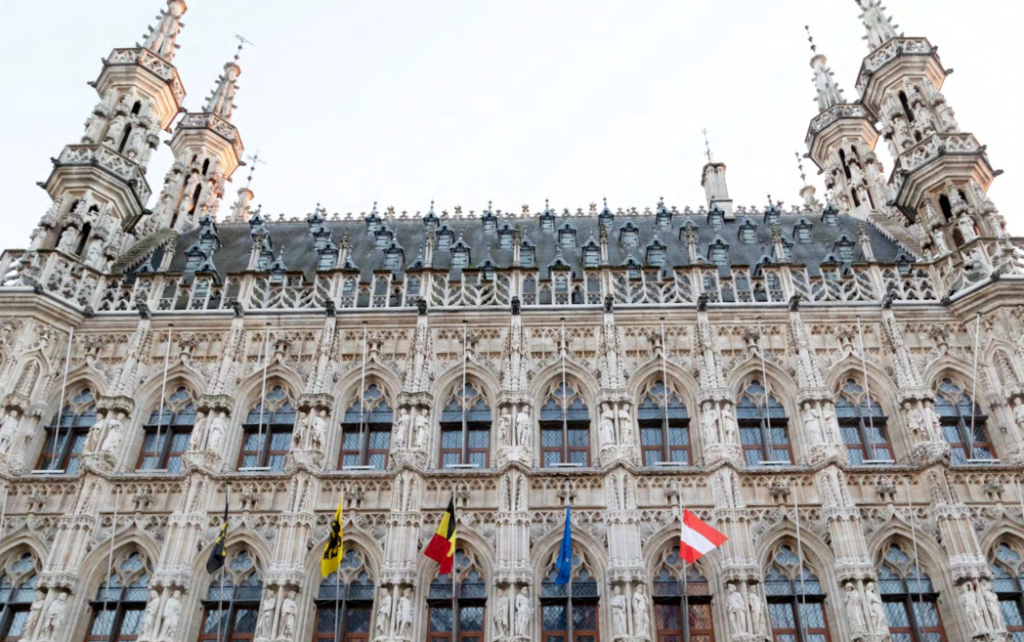
University city Leuven is where the Big Bang theory of the universe originated and boasts one of the best-known Gothic town halls in the world.
 3 minutes
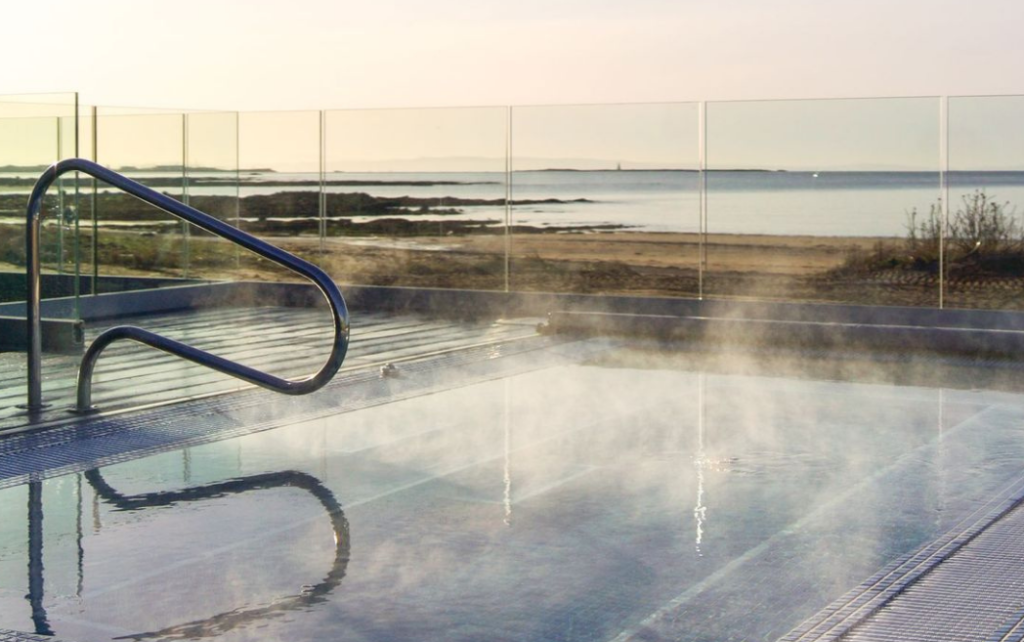
From wild swimming to silent retreats, we picked out three wellbeing breaks to rejuvenate the mind and body.