 4 minutes
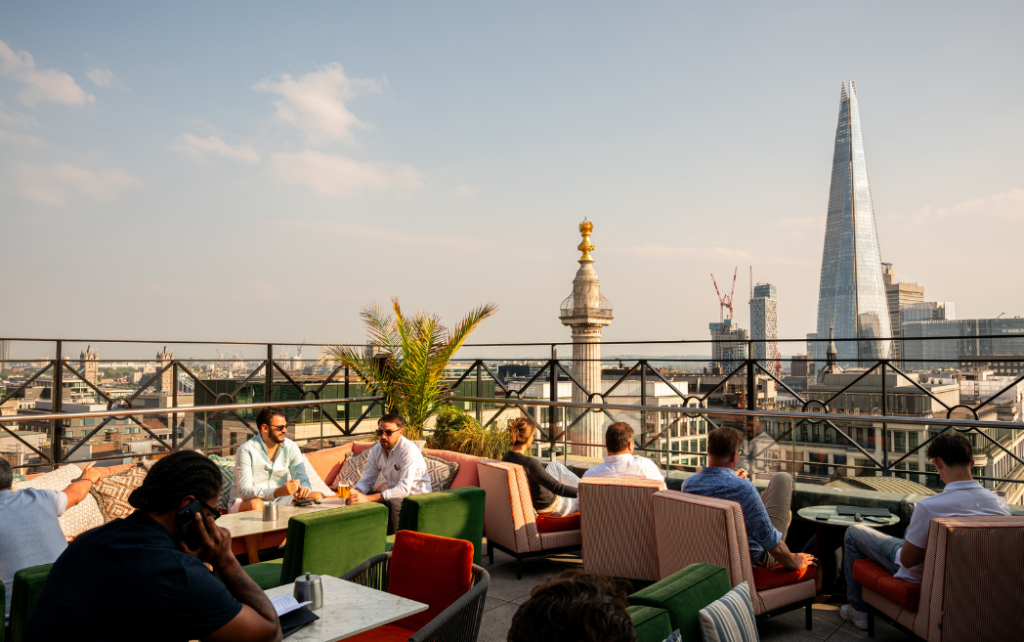
Sips in the city with a view
Our writers pick out a few city sundowner spots with panoramic views, both home and away, that are worth a visit.



Martin Guttridge-Hewitt travelled with family to Morocco and discovered a medley of delights to stimulate the senses across the generations.
Tangier medina is a riot of comedy exchanges. A baffling network of unnavigable streets. Unusual shops, pavement pedlars, lost tourists, young locals on mopeds, three-wheel flatbed delivery trucks squeezing down impossibly narrow alleys. It’s inimitable, like the town itself.
Despite the location – spitting distance from Andalusia – the aesthetics and atmosphere feel removed from both Europe and much of Morocco. Although perhaps that’s not surprising.
From 1925 to 1956 the city was an International Zone. Split between colonialists, the US and sultans, this political hinterland lured alternative-types. The 1960s swapped beatniks like William Burroughs for rockers such as the Rolling Stones but the freewheeling fun spiralled into economic freefall.
Before the 20th Century closed, these streets had developed a dangerous reputation. But a different story has been written post-millennium. One of resilience, creative resurgence, major investment and a determined effort to develop tourism in a balanced way, avoiding the pitfalls of over reliance on foreign wallets.
Today, Tangier’s medina is still a madness of unknown possibilities but ambling about after dark no longer means trouble, and the stream of characters we meet while moseying seem equally committed to promoting their hometown.
Landing Friday night after a three-hour flight from Manchester, one foot out of the airport taxi and the adventure has already begun. Restaurants peek around unnamed alleys, curio and carpet shops beckon, and shadows obscure figures in the doorways of late-medieval, colonial, art deco and modernist buildings cast in brilliant whites, azure blues and rich greens.
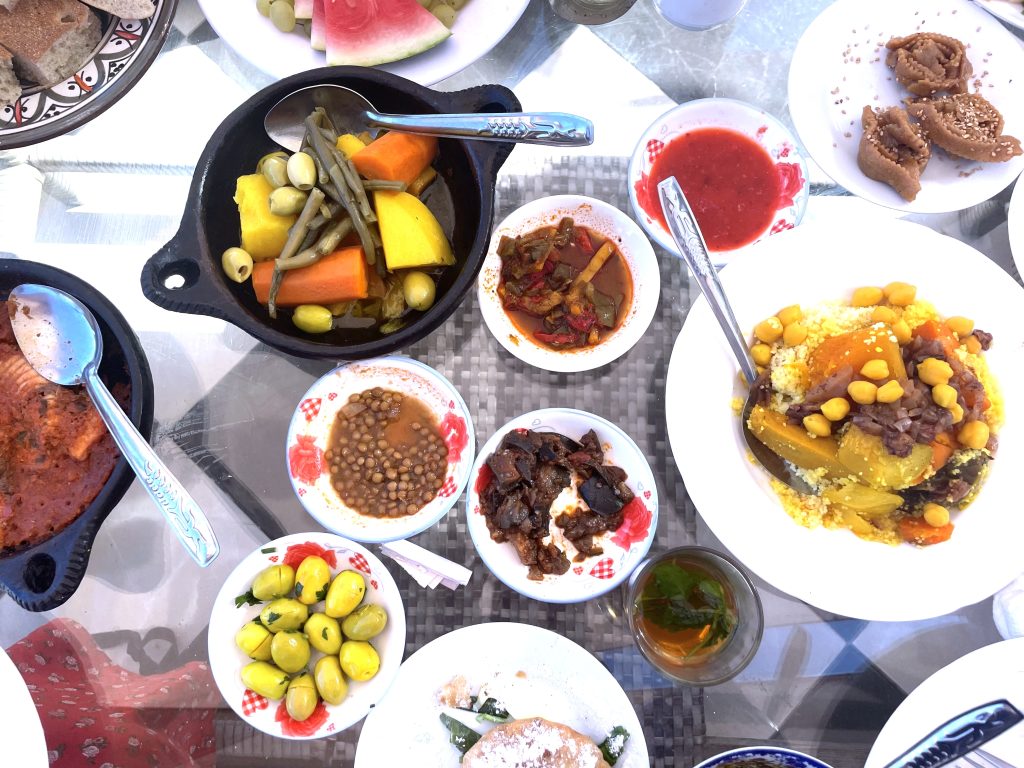
As a destination for three, spanning two generations, it ticks boxes. A prevailing sense of real escapism without the long haul. Value for money on-the-ground and in airfare. A warm welcome and, even in October, warm weather. The care and respect for my septuagenarian Mum also stands out, first apparent over our inaugural meal. The fragrant vegetarian tagine at Dada Restaurant is one of many recommendations from Jamal, a ‘medina man’ whose unofficial role as guide lands us at the eatery’s ornately carved wooden entrance.
A day or so later, as Fiancée dives into an ocean of leather rucksack shops we’re somehow shown to the terrace at Restaurant Vandalucia. A little confused at how quickly retail can turn table, the fourth floor rooftop caps a deceptively large eatery which doubles up as a music venue on Saturdays. There are few airs or graces, but a delicious three-course menu ensues, including zingy Harira soup, sweet-savoury pastilla pastries, olive-heavy salads and slow-baked fish.
From here, views reveal how dense the medina is. A wild sea of ageing mid-rises stacked precariously. The calmer Mediterranean beyond reminds us Tangier is a major point of entry for country and continent, and an aeon-spanning magnet for travellers.
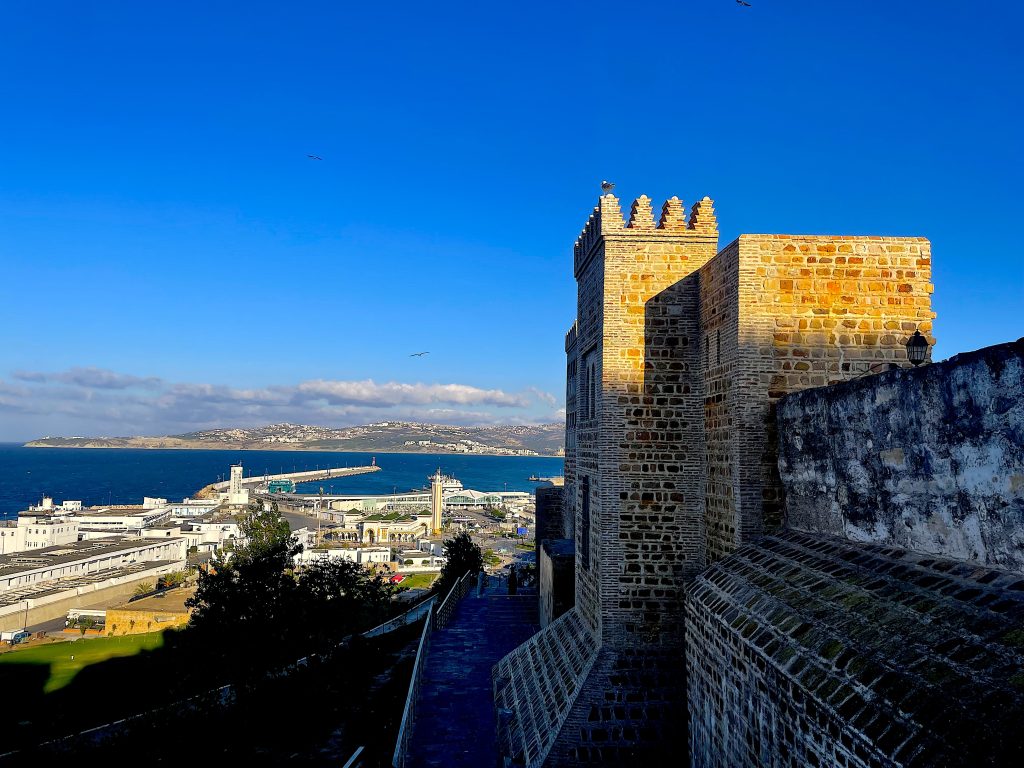
Meanwhile, the Kasbah Walls, standing watch over town, emphasise that we’ve barely scratched the surface. Completed by the Portuguese around the 15th Century, with clear influences from Moor and Berber architecture, we set out for the imposing fortifications.
It’s not the easiest walk uphill from the medina for anyone, even if our most senior did five-days trekking the Northumberland coast. Show off.
Alternative, indirect routes via taxi can be plotted, but the effort on foot is worth it. That hustle and bustle transform into quieter, cleaner lanes, where independent design stores and galleries jostle for attention with bold street art. If you’re passing, Tsood is a cosy pitstop, with cool kids sipping coffee and fresh smoothies, homemade cakes, Singer sewing machines, weighty chess sets and cabinets of sepia-hued photographs.
At the summit, Sultan Moulay Ismail’s ornate Dar-el-Makhzen palace is home to the archaeological and ethnological Kasbah Museum, dominating Place de la Kasbah. And whether you go inside or not, a series of archways lead onto stone ramparts for spectacular vistas of Tangier’s marina, downtown port, beachfront corniche (promenade) and the 20 miles or so of water separating us from Spain.
This area is also home to some of the most famous and historic bites in the city. The iconic El Morocco Club is one. We visit at night for French-Moroccan fine dining leaning heavily into fruits de la mer served with chateau wines over white linen. Inspired by the eponymous 1920s Manhattan venue, it pays tribute to the golden age of travel, an aesthetic more vivid in the smoky piano bar basement with its red velvet-backed seats.
In contrast, Salon Bleu means lackadaisical afternoon lunch. Set inside a restored 19th Century mansion, no reservations are taken so you’ll likely need to wait for a spot, especially in one of the two tiny outdoor areas. But the pared-back menu – an elegant but earthy take on traditional local cuisine – is reward enough. And its stunning perspectives make you realise why so many have fallen for the city.
Most famously Henri Matisse, whose Window On Tangier was painted from room 35 at the Grand Hotel Villa de France. This landmark by the Mendoubia Garden is close to the Grand Socco and its intense souk. The claustrophobic market is fun and another essential, especially as just over the landmark square outside is the art deco Cinema Rif and excellent mint tea.
A longstanding hub for the arts crowd dating back to 1949, indie flicks and film festivals still screen at this prime people-watching spot. This crown jewel of local cafe culture comes with archive posters in the foyer and original fittings. An ideal place to take stock and reflect on a place shaped by transience and change, but un-rushed by its own chaos.
Then it hits. Throwing yourself at the city is wonderful, but the most authentic way to assimilate might be to simply sit down, sip and watch it unfold. So, this is where we leave you.
Martin flew to Tangier from Manchester with Ryanair.
Dar Rania is a three-bedroom, two-bathroom townhouse in the Medina with terraces offering spectacular views of the city. From £92 per night.
The historic Grand Hotel Ville de France has double rooms with en suite from £126 per night.
Book these hotels or find more accommodation in Tangier here.
 4 minutes
Our writers pick out a few city sundowner spots with panoramic views, both home and away, that are worth a visit.
 1 minute
Fancy a new beach bag for your next trip? Enter our summer competition.
 1 minute
Want to witness the world’s largest food fight? Head to La Tomatina in Bunol, near Valencia, Spain.